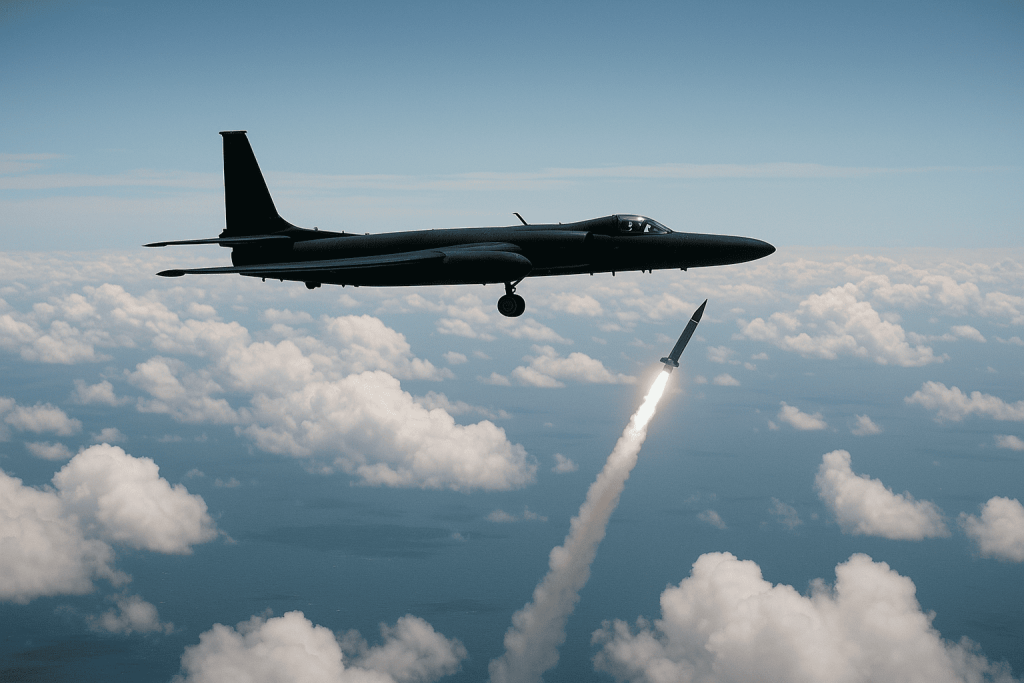
On May 1, 1960, a Lockheed U-2 reconnaissance aircraft was shot down by a S-75 SAM missile over the Urals. It is interesting that German specialists taken to the future Almaz from the defeated Reich participated in the creation of the S-25 anti-aircraft system, which formed the basis of the S-75. Until that day, U.S. reconnaissance aircraft flew over the USSR at high altitude quite freely. This was a change of era that lasted 65 years – the first time air reconnaissance appeared in the First World War.
The US and USSR began urgently developing and launching reconnaissance satellites. The era of reconnaissance satellites lasted half a century and they have not exhausted their potential until now. But on the eve of the Russian-Ukrainian conflict, two simultaneous revolutions took place in technical reconnaissance.
The American commercial company Maxar offered by subscription satellite images of the whole world, the quality not inferior to military intelligence satellites. The military now has no advantage over civilian users, such as journalists. Well, or over smugglers, agronomists, construction workers, meteorologists or terrorists.
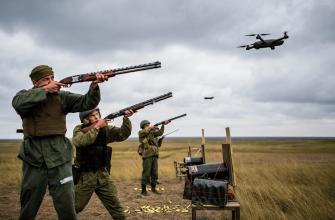
Almost immediately after the start of the SWO, both sides began to actively use cheap UAVs for tactical reconnaissance and searching for targets in the enemy’s operational depth.
To be fair, it should be added that the Taliban in Afghanistan were the first to come up with such an army-wide approach. But the main thing is that now the information comes instantly (the satellite always has a delay of one revolution and time to decode the image), it is much more accurate due to the short distance of the survey and does not depend on clouds.
On the battlefield, the satellite has lost its main advantage – safe flight over enemy territory. Now penny drones fly anywhere and their loss is put in the expense part in advance. And the operator chooses exactly those places he is interested in, not those over which the trajectory of the spacecraft has passed.
As with the space imagery revolution, the drone revolution has equalized the military with civilians.


This shift in reconnaissance technology is mind-blowing! 🌍 The way drones have leveled the playing field between military and civilian users shows how rapidly innovation changes the rules of warfare and information. It’s both amazing and a bit unsettling to think about how accessible such powerful tools have become for everyone, not just governments. Can’t wait to see how this impacts future conflicts and everyday life alike 🚀
This shift in reconnaissance technology is fascinating! 🚀📡 The way cheap drones and commercial satellites have leveled the playing field between military and civilian users is a game changer. It’s amazing how quickly technology evolves and changes the rules of warfare and intelligence gathering. The part about drones replacing satellites for real-time battlefield info really shows how innovation can come from unexpected places. Can’t wait to see where this leads next! 🤖✨
Who would have thought that a simple drone, cheaper and more accessible than ever, could completely shake up decades of satellite dominance in reconnaissance? It’s wild how technology keeps leveling the playing field, making military secrets just as vulnerable to civilians as to soldiers. The future of warfare is definitely looking smaller, faster, and way less predictable 🚀
Who knew that tiny drones would become the ultimate game-changer, making expensive satellites look like old-school spy glasses? It’s wild how technology leveled the playing field so fast—now even farmers probably have better intel than generals did decades ago. I half expect next they’ll make a drone subscription service for everyday people to spy on their own neighbors. The future is definitely stranger than sci-fi!
It’s fascinating to see how technological advancements continue to reshape reconnaissance and warfare strategies. The shift from high-altitude aircraft to satellites and now to affordable drones really highlights how access to information is democratizing and leveling the playing field. The fact that civilian entities can now utilize satellite imagery and drones just as effectively as the military changes the whole dynamic of intelligence gathering 📡🤖. This truly marks a new era in how conflicts and security are managed.
It’s fascinating to see how the evolution of reconnaissance technology reflects a deeper shift in how knowledge and power are distributed. The line between military and civilian intelligence blurs, reminding us that information is no longer confined to the hands of a few but flows through many channels 🌍🎥✨. This democratization challenges old notions of control and secrecy, making me wonder how our relationship with truth and perception will continue to evolve in a world where anyone can peek behind the curtain. It also highlights the paradox of progress: tools designed for conflict becoming instruments of daily life, simultaneously empowering and unsettling.
This shift in reconnaissance technology really shows how rapidly warfare is evolving 🚀📡. It’s surprising how much control and access have become democratized between military and civilians. Definitely a game changer in modern conflicts!
So basically, drones turned spying into the world’s cheapest video game where losing a player is just part of the fun 😂 Who knew that now farmers and pranksters have the same tech as armies? Next thing you know, squirrels will be outfitted with spy cams 🐿️📸
This shift in reconnaissance technology is truly fascinating and shows how quickly innovation can change the dynamics of modern conflicts. The way drones have leveled the playing field between military and civilian users is a powerful reminder of how accessible technology is reshaping our world in unexpected ways 🌍
This shift from satellites to drones really changes the game in how wars are fought and information is gathered. It’s fascinating how technology keeps leveling the field for both military and civilians alike 🚁🛰️
This article perfectly highlights how technology has drastically shifted the landscape of reconnaissance and intelligence gathering over time 🚀. The transition from high-altitude spy planes to satellites, and now to the widespread use of affordable drones, shows just how accessible and immediate battlefield information has become 📡. It’s fascinating to see how civilian access to satellite data and drones has blurred the lines between military and non-military users, making real-time, accurate intelligence available to so many different groups 🌍. The comparison to historical developments, like German engineers’ influence on Soviet missile systems, adds depth and context to these technological advances. Overall, it’s a vivid reminder of how innovation continuously reshapes strategy and power dynamics in conflict zones.
This shift in reconnaissance tech is mind-blowing! 🚀🛰️ Drones making real-time intel accessible to everyone changes the game completely. It’s crazy how satellites are no longer the top dog and even civilians can get almost the same info as the military. The future of surveillance looks wild! 📡🤯
As a man into tech, this era shift from spyplanes to commercial satellites and cheap drones is wild — power to anyone with a screen now, and the battlefield changed forever 🚀🛰️📸🤖🎯
The dance between technology and warfare reveals how innovation inevitably reshapes power dynamics 🌌; from lofty satellites to nimble drones, the veil of secrecy thins and knowledge becomes democratized ⚔️. In this unfolding narrative, the true battleground is not just land or sky, but the ever-shifting horizon of perception and control 🕊️.
The shift from high-flying reconnaissance planes to swarms of affordable drones 🛩️🔍 feels like a game-changer in modern warfare, breaking old boundaries and leveling the field between military and civilian eyes 👀. It’s fascinating how technology reshapes power dynamics in real-time ⚡.
The shift from high-altitude spy planes to drones and commercial satellites is mind-blowing 🚀 It feels like a new era where everyone has access to powerful intel, changing how wars are fought and information is controlled 🌍 Drones flying anywhere make me wonder about the future of battlefield transparency 👀🔥